

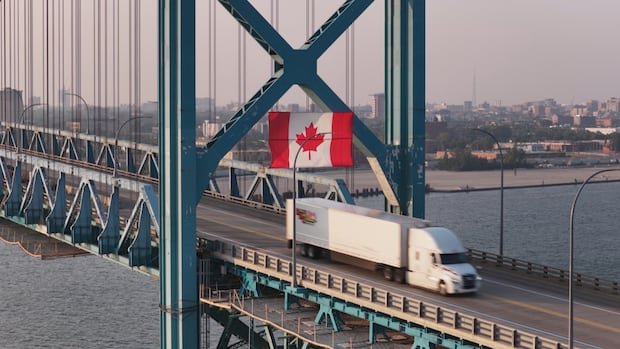

In recent months, as the opening of the Gordie Howe International Bridge faced uncertainty, the privately-owned Ambassador Bridge across the Detroit River aggressively pursued trucking companies in an apparent effort to retain their business, as reported by an industry representative. Lak Shoan, the director of policy for the Ontario Trucking Association, mentioned that his organization started receiving feedback from a few members about the Ambassador Bridge’s outreach efforts during the spring. The Canadian trucking companies contacted by CBC Windsor declined to discuss any toll rate offers from the Ambassador Bridge, citing confidentiality of business agreements or choosing not to respond.
However, a U.S. trucking union official, JT Barrett, in a now-deleted post from late July, instructed union members not to use the newly opened Gordie Howe bridge due to a contract with the Ambassador Bridge that saved them $240,000 in tolls monthly. The toll rates and revenue were central to the prolonged political saga surrounding the $6.4 billion Gordie Howe bridge, fully funded by the Canadian government. The agreement to open the crossing includes a provision allowing the U.S. government to prevent the new bridge from reducing tolls below the average of similar regional crossings.
The Moroun family, owners of the Ambassador Bridge since 1979, increased their political influence efforts before former President Donald Trump threatened to block the new bridge’s opening. Despite the delays and controversies, the Gordie Howe bridge eventually opened to traffic on July 27, following a scrapped June opening at the U.S. government’s request.
Accusations have been made against Trump for allegedly attempting to hinder the new bridge’s opening to favor the Morouns. While representatives of the Ambassador Bridge did not respond to inquiries, their website indicates the availability of a cheaper toll program for certain trucking companies through A-Pass Subscription Accounts.
The Ontario Trucking Association, acknowledging the competition between the bridges, views it positively as it may lead to reduced toll costs for trucking companies. The association’s lack of specific details on the Ambassador Bridge’s offers doesn’t hinder their support for healthy competition in the industry. Barrett’s Facebook post shed light on the financial specifics of the contract between FCA Transport and the Ambassador Bridge, revealing a flat rate of $160,000 per month under the current agreement, a significant reduction from their previous per-crossing payments exceeding $400,000 monthly.
Stellantis, the parent company of FCA Transport, declined to confirm the existence of an exclusive toll contract with the Ambassador Bridge but expressed support for the Gordie Howe International Bridge as a crucial part of North American border crossings. Shoan emphasized that during uncertain economic times, businesses seek stability, making the offers from the Ambassador Bridge appealing to trucking firms looking for cost certainty.