

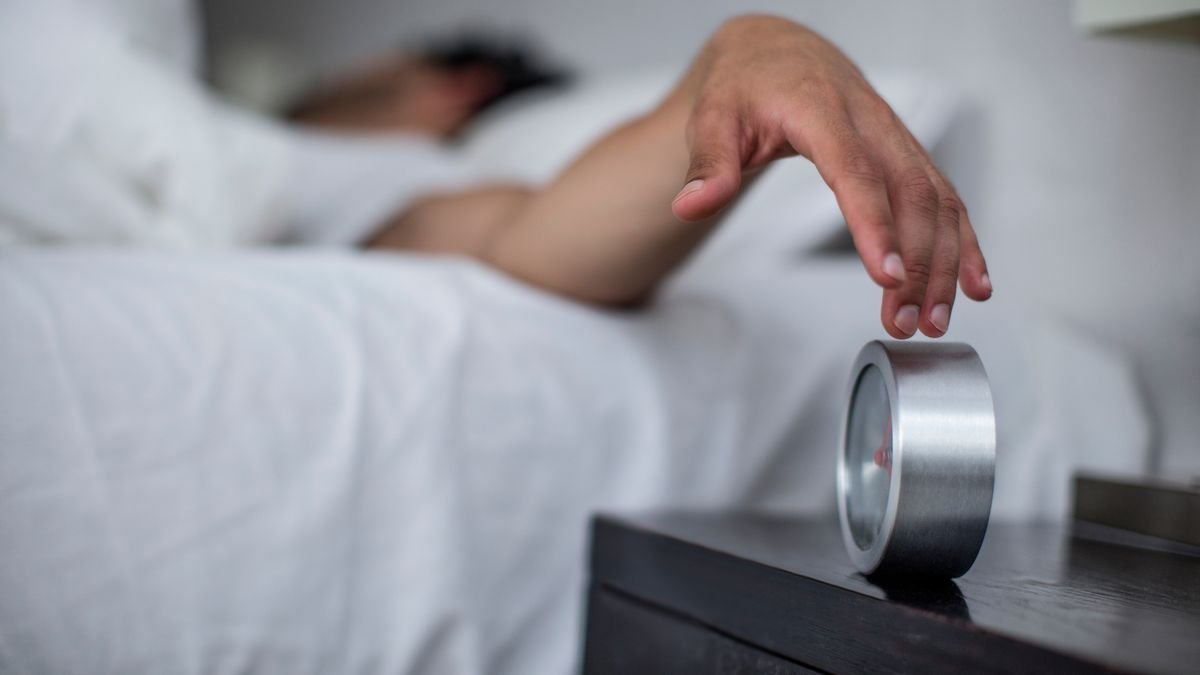

As the weekend approaches and daylight saving time ends, many people may find it challenging to readjust their sleep patterns. With the nights growing longer and the mornings darker, the clocks will be set back an hour on Sunday, October 26.
During this time of year, as the days become shorter and colder, maintaining energy levels throughout the day can be difficult. Stress management expert, Sam Wones, has shared valuable tips for staying alert, including the recommendation of a strategic short nap.
According to Wones, a 20-minute nap is considered optimal, as sleeping longer than 30 minutes can lead to waking up from a deep sleep. He explained that experiencing an afternoon slump is a natural part of the circadian rhythm, typically occurring 7 hours after waking between 1 and 3 pm.
While napping may not be encouraged in a productivity-driven society, Wones emphasized its benefits in enhancing capacity and output. If napping is not feasible, he advised being kind to oneself by incorporating breaks into the day, stepping outside for fresh air or light exercise, or focusing on less demanding tasks.
In the absence of a nap, prioritizing a good night’s sleep is crucial, with Wones recommending around seven and a half hours of sleep as ideal. Deprivation of sleep can lead to various health risks beyond just feeling mentally foggy, and research indicates that oversleeping can have similar negative effects.
To maintain optimal energy levels, Wones highlighted the importance of staying hydrated and consuming high-protein meals with slow-release carbohydrates. He suggested adding electrolytes and minerals to daytime water and enjoying snacks like dates with butter and salt to sustain blood sugar levels.
Furthermore, Wones emphasized the need to take breaks from screens to prevent energy depletion. He suggested incorporating different rest periods, such as the recommended work-to-rest ratios of 25:5, 50:10, or 90:15. Physical movements like stretching, moving the head, and eyes away from screens can help refresh the mind and body during breaks.
For a healthier and more energized day, it is essential to follow these expert tips on managing stress, sleep, hydration, nutrition, and screen time.