

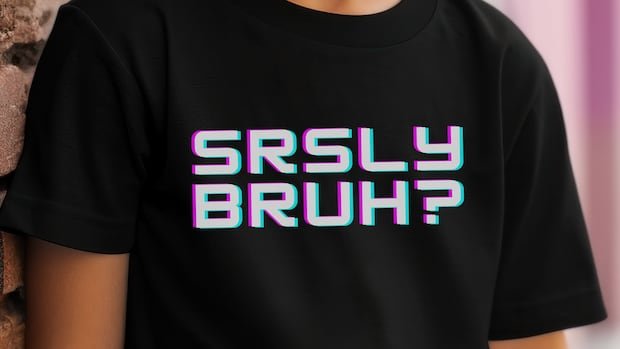

Sam Joseph Karam, the owner of Customized Designs, a U.S.-based apparel company selling on platforms like Etsy, was surprised when he received an email from Etsy informing him that 11 of his T-shirt designs featuring the term “bruh” were removed due to a trademark violation. This raised his suspicions as typically only one or two listings are affected, not a consecutive 11. Karam also mentioned that his Star Seller badge, which signifies top-tier customer service, was revoked by the platform, leading to a noticeable decline in sales.
The email from Etsy cited a report by Malik Yawar Abbas, the Canadian trademark holder for the term “bruh,” as the reason for the takedowns. Karam and several other Etsy sellers revealed to CBC News that their listings were removed following complaints by Abbas.
According to Karam, Abbas is essentially “squatting” on the trademark, with the intention of profiting through licensing rather than creating products. Legal experts suggest that platforms and the legal system need to improve measures to prevent such trademark exploitation.
Abbas holds a Canadian trademark for “bruh,” issued by the Canadian Intellectual Property Office (CIPO) for various clothing items in July 2025. Another trademark was recently granted to Abbas for advertising restaurant services under the same term.
After his listings were taken down, Karam discovered Abbas’s website, which focused on protecting the “bruh” trademark and offering licensing options for its use. Despite no clothing sales on the site, it showcased mock-ups of clothing and other items featuring the word “bruh.”
When Karam reached out to Abbas regarding the Etsy takedowns, Abbas proposed a $1,000 settlement for withdrawing the complaint. Karam rejected the offer, believing it to be a case of trademark squatting.
While Abbas maintains that the trademark is for commercial licensing purposes and not intended to impede everyday use of the term, Karam feels the repercussions of the takedowns have already affected his business. He is contemplating legal action to challenge the trademark’s validity based on bad faith.
Under Canada’s trademark laws, added in 2019, trademarks filed in bad faith can be invalidated. Carys Craig, an expert in intellectual property law, suggests that the presentation of the “bruh” trademark on Abbas’s website and the takedown requests may meet the criteria for bad faith.
Despite the complexities, trademarking a word like “bruh” doesn’t automatically confer ownership, and its applicability depends on the context. Experts argue that the use of “bruh” on Etsy items may not necessarily constitute infringement, as it could fall under exceptions like ornamental use within a design.
Etsy’s response to the takedowns emphasizes adherence to laws and site rules, with sellers encouraged to communicate with complainants if they disagree with listing removals. The lack of an appeal process poses challenges for sellers, particularly in cases like this.
Cases of trademark disputes like this are uncommon in Canada, where infringements are typically associated with unauthorized use rather than trademark holders enforcing their rights aggressively. However, concerns remain around the potential exploitation of trademark loopholes and weaknesses in the system.
Tighter regulations, streamlined processes for challenging trademarks, and improved appeal mechanisms on online platforms could help prevent and address such trademark disputes effectively. Craig highlights the need for a balanced approach to trademark protection to avoid scenarios where trademarks are used to automatically restrict legitimate activities.