
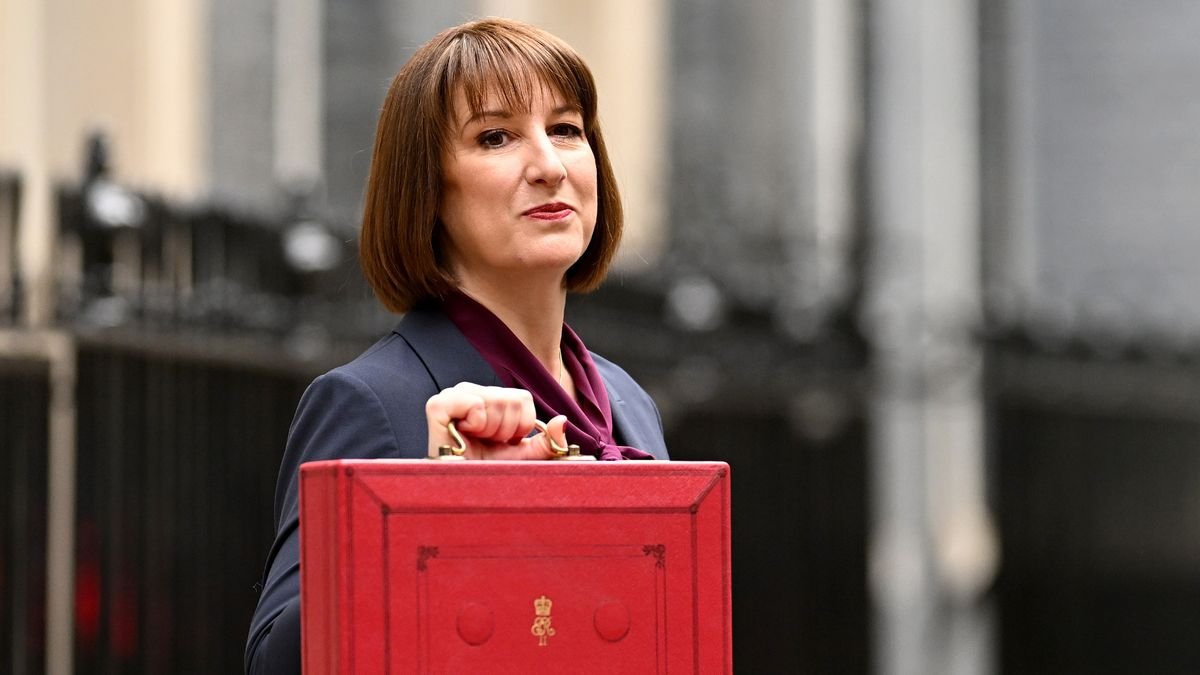

Chancellor Rachel Reeves is gearing up to present a critical Budget next week, facing the challenge of addressing a significant deficit in public finances. Recent indications suggest potential tax increases as part of efforts to adhere to stringent spending guidelines. While initial concerns projected a black hole of £30-40 billion, revised forecasts from the Office for Budget Responsibility estimate a more optimistic shortfall of around £20 billion.
The upcoming Budget, scheduled for November 26 around 12:30pm, is under scrutiny for potential policy changes. Labour’s manifesto commitment to refrain from raising VAT, national insurance, or income tax for the working class faces deliberation, with the government contemplating adjustments to income tax policies for the first time in nearly five decades. However, recent developments indicate a shift away from these plans following improved financial forecasts.
In addition to potential freezes on income tax thresholds, the Budget may feature adjustments to the minimum wage, currently around £12.21 for individuals aged over 21 and £10 for those between 18 and 20. Plans to increase the minimum wage to approximately £12.70 in April 2026, reflecting a 4% increment, are reportedly under consideration.
Addressing concerns about the cost of living, discussions include measures to reduce household energy bills, such as eliminating VAT on energy bills, potentially saving consumers an average of £80 annually. Advocacy groups have also called for the removal of the two-child benefit limit, a controversial policy introduced in 2017, with indications suggesting its potential abolition to alleviate child poverty.
Further proposals include potential hikes in gambling taxes to fund social welfare initiatives and adjustments to the state pension, with expectations of a 4.8% increase next April under the triple lock mechanism. Additionally, considerations for a new £2,000 annual cap on pension contributions through salary sacrifice schemes are on the table, raising concerns about the long-term impact on retirement savings.
The Budget may introduce new tax measures, such as levies on high-value properties and potential changes to tobacco and alcohol duties. While discussions on introducing tourist taxes in England persist, uncertainties remain regarding the implementation of such measures. Amidst these deliberations, the Chancellor faces challenging decisions on fiscal policies to navigate the country’s economic landscape effectively.