

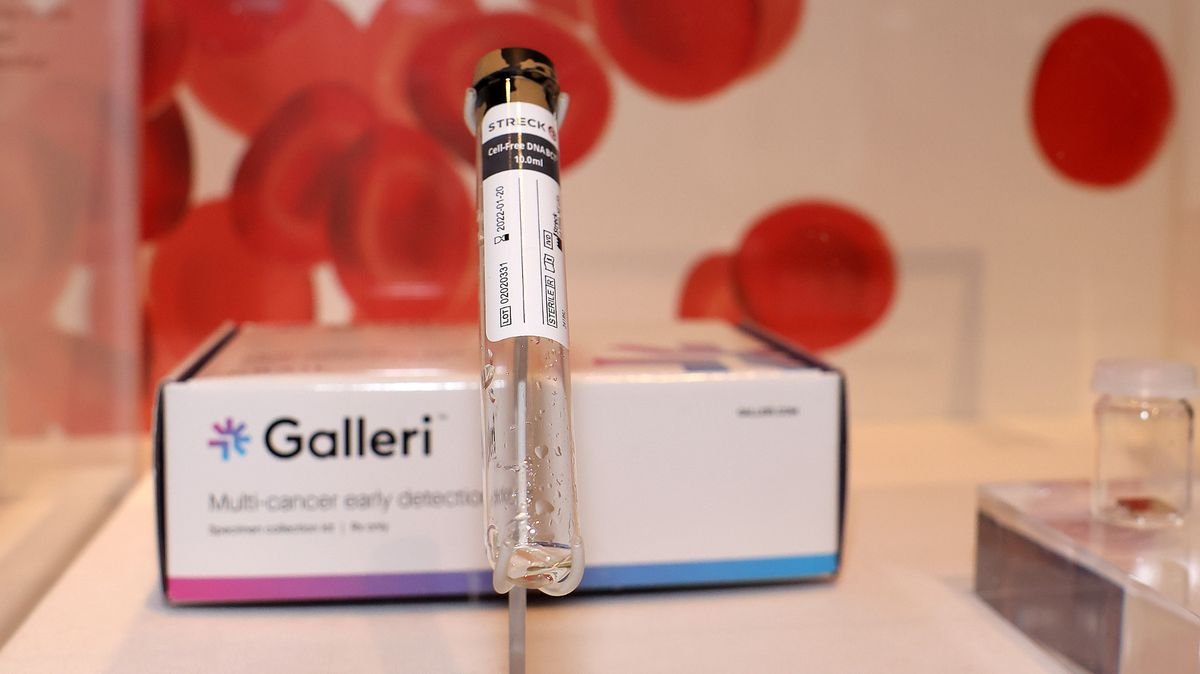

A groundbreaking blood test capable of detecting various cancers before symptoms manifest has the potential to revolutionize cancer diagnosis within the healthcare system, according to experts. The Galleri test, designed to screen for over 50 types of cancer, demonstrated a 62% accuracy rate in identifying potential cases and a remarkable 99.6% accuracy in ruling out cancer in individuals without the disease.
The test results from a recent trial in the United States coincide with ongoing trials in the NHS, marking a significant milestone in cancer detection methods. Termed the “Holy Grail” by medical researchers, this multi-cancer blood test offers promising advancements in early cancer diagnosis.
Sir Harpal Kumar, a key figure at Grail and former head of Cancer Research UK, expressed enthusiasm over the test’s potential impact on improving cancer outcomes. By detecting cancers at earlier stages, the test could complement existing screening programs and significantly enhance diagnostic capabilities.
Currently, the NHS offers screening for only four types of cancer through various methods such as scans or biopsies. The introduction of multi-cancer early detection tests like Galleri represents a paradigm shift in cancer screening approaches, allowing for the simultaneous detection of multiple cancer types from a single blood sample.
The Galleri test, which can be administered annually, identifies cancer-related DNA in the bloodstream, providing early indications of the disease. Recent trial results revealed that 61.6% of individuals flagged with a cancer signal in their blood were later diagnosed with cancer.
While the test’s accuracy has received some critique, with concerns about false positives, proponents highlight its potential benefits in identifying cancers at early stages and reducing the need for additional diagnostic procedures. The Pathfinder trial demonstrated the test’s ability to pinpoint the origin of cancer in the body, potentially streamlining diagnostic processes and reducing costs.
As further research is needed to assess the test’s impact on reducing cancer-related deaths, experts emphasize the importance of evaluating its effectiveness in clinical settings. The presentation of these findings at the European Society for Medical Oncology Congress underscores the growing significance of early cancer detection technologies like Galleri in improving patient outcomes.
Josh Ofman, president at Grail, lauded the compelling results of the test, particularly in detecting cancers without current screening options. The potential of tests like Galleri to enhance cancer detection capabilities and improve patient outcomes underscores the importance of ongoing research and evaluation in advancing cancer care.