

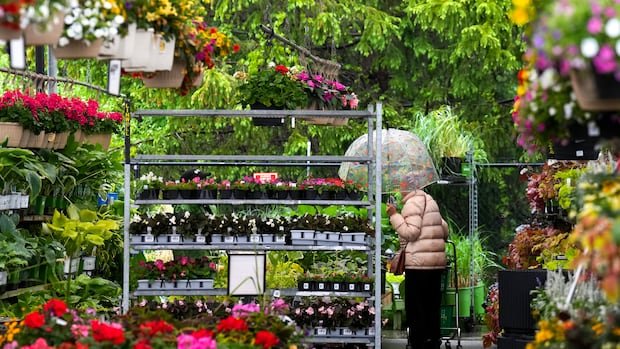

Canadian municipalities are taking steps to prevent the sale of invasive plants in local garden centers as they advocate for a unified national approach to regulate the horticultural industry. Concerns over invasive plants jeopardizing biodiversity nationwide have prompted cities to address gaps in the existing regulatory framework, which varies by jurisdiction. Canada aims to reduce the introduction and establishment of known invasive species by 50% by 2030.
The Canadian Coalition for Invasive Plant Regulation (CCIPR) is urging the federal government to establish a regulatory body overseeing the horticultural sector and develop a national database identifying invasive plants and associated risks in different regions. Cathy Kavassalis, co-founder of CCIPR, emphasized the importance of informing the public about potential harm from invasive plants, drawing parallels to existing product safety notifications.
While the Canadian Food Inspection Agency (CFIA) regulates certain invasive plants under the Plant Protection Act, individual provinces and territories have their own legislation for managing invasive species and weeds. The CFIA clarified that their approach is species-specific and risk-based, focusing on restricting the import, sale, possession, and movement of regulated pests, including plants intended for ornamental purposes.
In response to local initiatives, such as Nanaimo and Surrey’s moves to restrict the sale of invasive plants, London’s environmental committee recommended requiring retailers to provide information on invasive plants to customers during sales. Efforts at the municipal level have been criticized for creating fragmented solutions that divert resources. Kirsty MacDonald, Nanaimo’s parks manager, highlighted the impact of invasive plants on local landscapes and stressed the need for a comprehensive strategy involving all levels of government.
Advocates like Kavassalis emphasize the necessity of addressing the horticultural trade to achieve Canada’s 2030 biodiversity targets. Research indicates that ornamental non-native plants serve as a primary pathway for introducing invasive species, mirroring concerns in the US. Proposals for a national database and labeling requirements for invasive plants have been put forward to enhance information sharing and awareness among stakeholders.
Horticulture and agriculture expert Jim Hole noted that most garden centers support efforts to curb the spread of invasive plants, with businesses adapting to regulatory changes. Lorraine Johnson, a native plant advocate, underscored the role of nurseries in promoting biodiversity loss through the sale of non-native plants. Educating consumers and industry stakeholders on the impact of invasive species is seen as crucial to fostering a more sustainable gardening culture that aligns with ecological principles.