

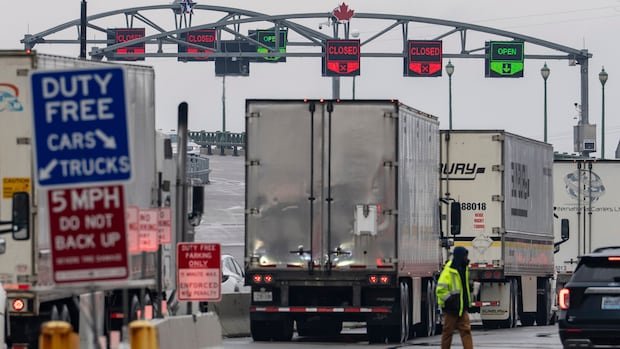

Enforcement of cross-border cargo regulations has significantly increased during the Trump administration, leading to delays and higher costs for shippers. The implementation of tariffs and stricter customs procedures in the United States has resulted in heightened scrutiny of freight shipments, according to industry experts.
Breanna Leininger, who oversees U.S. operations at Pacific Customs Brokers in Vancouver, noted a substantial shift in the level of documentation required by border officials for shipped goods. The demand for detailed product classifications and proof of compliance with trade agreements has risen significantly, with importers being asked to provide extensive paperwork such as labor and manufacturing records.
The evolving enforcement measures are evident in the escalating number of audits conducted by U.S. Customs and Border Protection, which are on track to increase by 26% compared to the previous year. The collection of trade penalties has also surged, with authorities reporting a 169% increase in penalties collected within the first half of this year compared to the entirety of the previous year.
Amid an escalating trade dispute between Canada and the U.S., the heightened enforcement actions are adding to the complexities and costs of cross-border trade. The additional time and expenses incurred in meeting regulatory requirements are impacting businesses and discouraging some from engaging in cross-border commerce.
Alan Dewar, the executive vice-president of GHY, a customs brokerage in Winnipeg, highlighted the significant financial burdens imposed by the increased enforcement measures. The delays and additional costs associated with compliance requirements are challenging for businesses, with some finding the process overwhelming.
U.S. Customs and Border Protection emphasized the importance of importers providing accurate and complete information to ensure compliance with regulations. The agency stated that its trade enforcement strategies are continually reassessed based on risk factors, trade trends, and legal obligations.