

Households in the United Kingdom are expected to face the highest inflation rates among the world’s seven largest economies this year and next, according to the International Monetary Fund (IMF). The IMF’s latest forecast indicates that prices in the UK will rise more steeply than previously anticipated for both years, raising concerns about the likelihood of a Bank of England interest rate cut. This development is seen as unfavorable for borrowers but beneficial for savers.
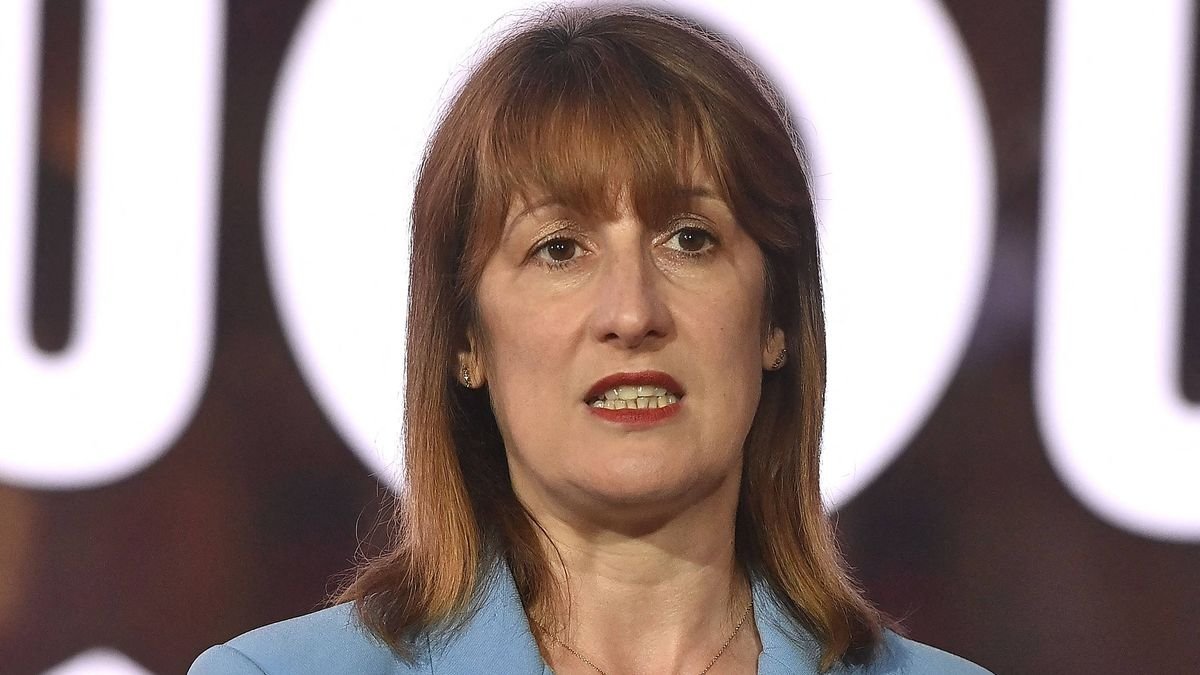
On a positive note, the IMF has revised its projection for UK economic growth upward for this year, but downward for next year due to concerns about the job market. The adjustment in forecasts poses a challenge for Chancellor Rachel Reeves and the Labour Party, particularly with the Budget approaching.
Recent data from the Office for National Statistics revealed that inflation stood at 3.8% in both July and August, the highest levels recorded since January 2024. The IMF now expects UK inflation to average 3.4% in 2025, up from its previous estimate of 3.2%. While a slowdown to 2.5% is projected for next year, this figure remains higher than the earlier forecast of 2.3%.
This outlook implies that UK households will experience the highest inflation rates among the G7 advanced economies over the next two years. The situation poses a dilemma for the Bank of England as it strives to bring inflation back in line with the 2% target rate.
IMF’s Chief Economist Pierre-Olivier Gourinchas pointed out that many inflation drivers are considered temporary, such as spikes in water bills and transportation costs. Although these factors are expected to moderate, there are still risks of rising labor costs and inflation expectations.
The UK economy is anticipated to grow by 1.3% this year, following robust growth in the first half, an improvement from the previous IMF forecast of 1.2%. However, the growth forecast for next year has been revised down to 1.3% from 1.4%, reflecting global trade pressures that could impact various economies.
While Canada and France have seen reductions in their growth projections due to tariff pressures, the US has experienced a slight increase in its forecast. The IMF’s report also upgraded the global growth forecast for this year from 3% to 3.2%, indicating stronger resilience in many economies against tariff-related challenges.
Chancellor Rachel Reeves expressed optimism about the UK’s economic performance, highlighting the country’s leadership in growth within the G7 and the increase in average disposable income since the election. However, concerns remain about the economy’s stagnant conditions for many individuals, prompting a call for collaborative efforts to create a more inclusive Britain.
Investment Director Russ Mould from AJ Bell noted that the UK’s high inflation could constrain the Bank of England’s ability to adjust interest rates, potentially leading to slower economic growth. The central bank faces a dilemma as it navigates high inflation figures alongside a fragile job market, which traditionally calls for rate cuts but could complicate policy decisions.
In conclusion, the economic landscape in the UK presents challenges amid rising inflation rates and uncertain growth prospects, underscoring the need for prudent monetary and fiscal policies to navigate through the current economic uncertainties.