


Five former chairs of the Committee on the Status of Endangered Wildlife in Canada (COSEWIC) have penned an open letter expressing worries about potential modifications to the Species At Risk Act. They caution that these changes could result in the deliberate extinction of endangered species in Canada. The letter, sent to the federal government last month, raises concerns about over 600 species protected under the legislation. The proposed alterations, according to the scientists, could render the act ineffective and jeopardize the safeguard it offers.
The letter, made public by the scientists, aims to prevent Canadians from unknowingly contributing to the extinction of wildlife species. These concerns arise as the government contemplates broad environmental regulation changes, including the Species At Risk Act. The alterations could expedite project approvals and construction processes.
Among the proposed modifications are the elimination of “jeopardy tests,” which evaluate the impact of projects on endangered species and their habitats. These tests, crucial for safeguarding vulnerable species, serve as a final layer of protection. The suggested changes would grant authorities the power to establish “federal economic zones” for pre-approving industrial projects and pipelines, circumventing federal impact assessments.
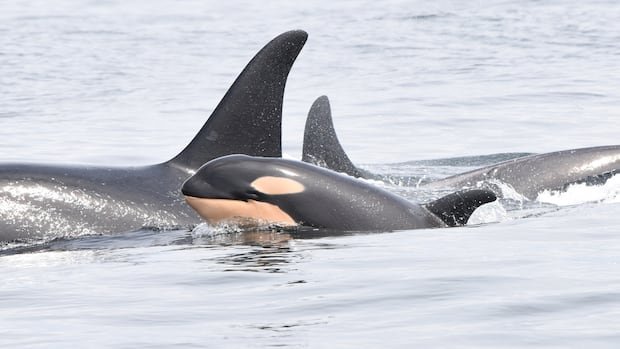
One specific project drawing attention is a proposed West Coast oil pipeline, considered of national interest, that could have detrimental effects on species like the southern resident killer whale and Chinook salmon. These species and their habitats are located in the Salish Sea, where the pipeline would terminate. The potential consequences, as outlined in the scientists’ letter, highlight the risk of endangering these species if the project proceeds.
Critics, including former COSEWIC chairs and environmental experts, are alarmed by the government’s proposals. They see these changes as setting a troubling precedent that could weaken environmental protections. The government’s rationale for the modifications revolves around the need to boost the economy and reduce reliance on U.S. exports amid trade tensions.
Despite the concerns raised, the government has not responded to the scientists’ letter. The Privy Council Office reaffirmed the government’s commitment to species conservation and compliance with the Species at Risk Act. While no decision has been made regarding the proposed changes, a report summarizing public feedback is expected before summer concludes.
Amidst extended public engagement and pending legislation, stakeholders urge the government to reconsider the potential impacts on endangered species. The urgency stems from the irreversible consequences of species loss in Canada. Green advocates for thoughtful deliberation, emphasizing the importance of preserving biodiversity for future generations.