
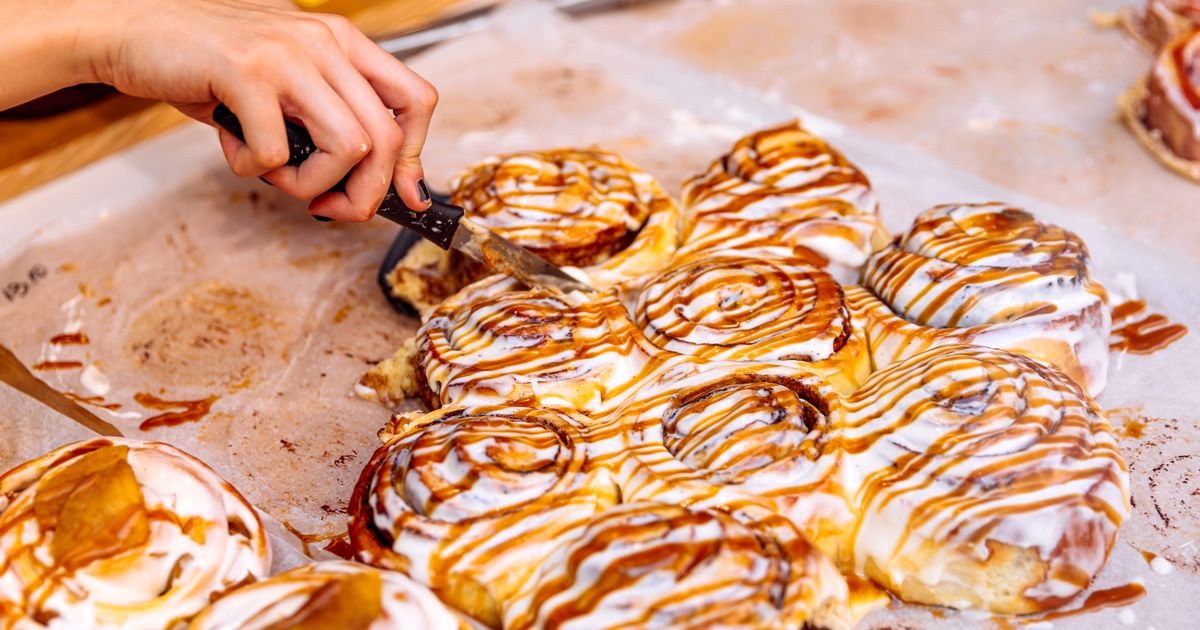

A specialist in dermatology has expressed worries that fall-themed drinks, snacks, and treats could be contributing to skin issues. In a video addressing common misconceptions about skincare, Dr. Dray debunked a TikTok user’s assertion that cinnamon and bananas could help alleviate acne.
The expert emphasized that this claim is unfounded, stating, “While this may seem like a delicious and nutritious snack, it will not treat your acne.” Dr. Dray explained that while cinnamon does have anti-inflammatory properties and may have some positive effects on blood sugar control, it does not promote collagen production, clear acne, or worsen acne.
Although cinnamon can be a healthier alternative to salty and sugary snacks, Dr. Dray pointed out a lesser-known fact, stating, “Cinnamon has anti-inflammatory properties, but it contains compounds like Cinnamaldehyde that can lead to flushing.”
Furthermore, she highlighted that bananas could also trigger skin flare-ups. Dr. Dray cautioned, “Consuming bananas can sometimes exacerbate rosacea, a skin condition that resembles acne. Approximately 70% of individuals with rosacea experience flare-ups when consuming cinnamon, as well as other spices containing capsaicin, like chili peppers.”
Rosacea is a chronic skin condition that mainly affects the central facial areas and tends to cycle between exacerbation and improvement stages. According to experts from Rosacea.org, the condition typically develops after the age of 30 and often starts with intermittent facial redness or flushing, particularly on the cheeks, forehead, chin, or nose.
Dermatology professor Dr. Vivian Shi noted that factors such as sunlight, hot drinks, chocolate, spicy foods, and alcohol can aggravate rosacea. She also mentioned that cold and formaldehyde-containing foods may impact the condition.
Certain foods rich in niacin, such as shellfish, tuna, peanuts, and poultry, can trigger reactions in individuals with skin sensitivity. These foods may stimulate Langerhans cells in the skin, leading to the release of prostaglandins, which cause inflammation, redness, and irritation. Dr. Shi referenced a dietary study that linked high-fat foods and tea consumption to increased rosacea flare-ups, while frequent dairy intake was associated with reduced redness and acne-like symptoms.
Notably, the study found that in a Chinese population, there was no significant association between rosacea and the consumption of sweets, coffee, or spicy foods.