


Britain is facing increasing worries about the risk of a nuclear attack as tensions rise globally. RAF Lakenheath in Suffolk, managed by the United States, is anticipated to store US/NATO nuclear weapons soon, positioning the UK at the forefront of potential conflicts between the US and Russia.
The presence of American nuclear weapons on British territory significantly heightens the country’s vulnerability as a target. Military experts suggest that in a conflict scenario, Lakenheath would likely encounter strikes before other regions in the country.
While experts acknowledge the catastrophic global impact of a nuclear conflict involving the US, NATO, and Russia, it is essential to understand the direct repercussions for British towns and cities. The Campaign for Nuclear Disarmament warns that a single nuclear strike on any urban area would have devastating consequences locally, with the radioactive fallout spreading extensively.
Their report highlights that if a Russian warhead, like an SS-25 or SS-27, were to hit London, nearly a million people could perish. Similarly, an attack on Glasgow might result in 326,000 casualties, while Cardiff could see 196,000 lives lost.
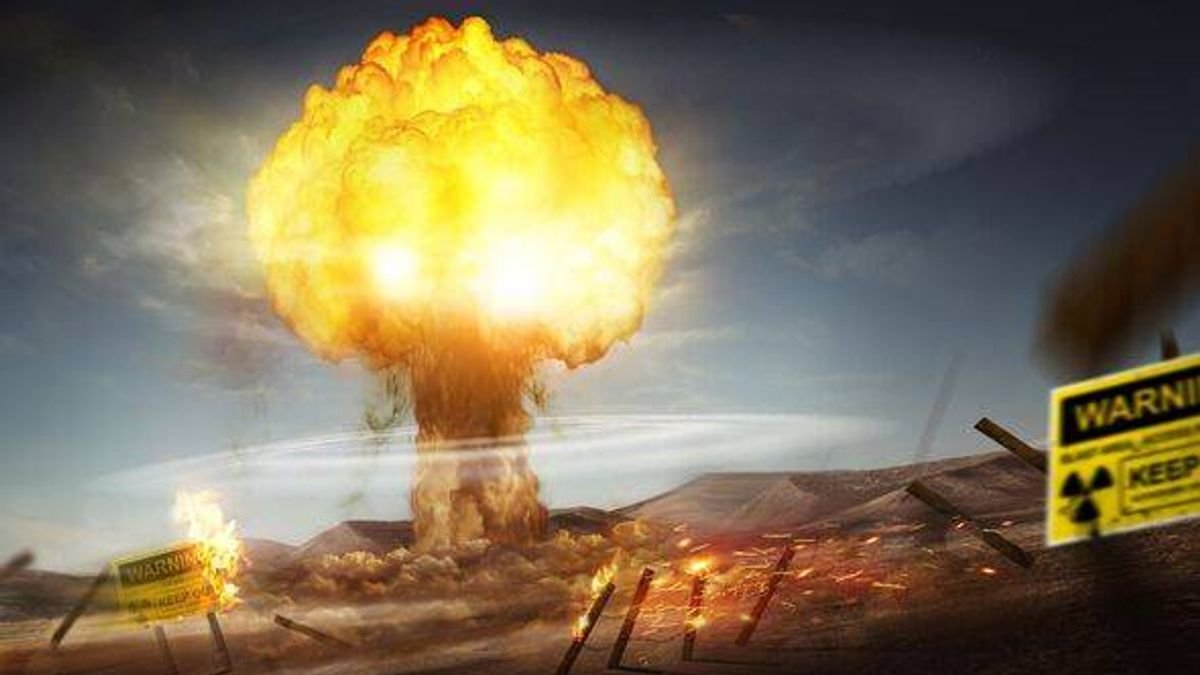
The epicenter of a nuclear blast could reach temperatures of millions of degrees centigrade, causing a heat flash that would eradicate all human tissue within a 1.5 square mile radius.
In 1945, when the US dropped atomic bombs on Hiroshima, shadows were seared into stone within a half-mile radius. The bombings claimed up to 200,000 lives, mostly civilians.
It’s estimated that individuals within four miles of the blast would succumb to the explosion and ensuing firestorm, with structures igniting due to the intense heat. The report suggests that the immediate fatality rate in this zone would exceed 90%.
Beyond the immediate impact zone, fatalities would gradually rise among those exposed to the initial explosion. Approximately seven miles away, individuals could suffer fatal burns, requiring amputations, blindness, or internal injuries.
In the aftermath, the majority of survivors would be affected by radioactive fallout, experiencing symptoms ranging from hair loss to internal bleeding. Long-term effects could include radiation-induced cancers appearing up to two decades later.
Children of those exposed to radiation are at a higher risk of abnormalities and leukemia. Apart from public health concerns, nuclear weapons can cause significant environmental and climate damage.
Projections indicate that following a nuclear conflict, up to two billion people could face starvation due to climate disruptions impacting food production.