

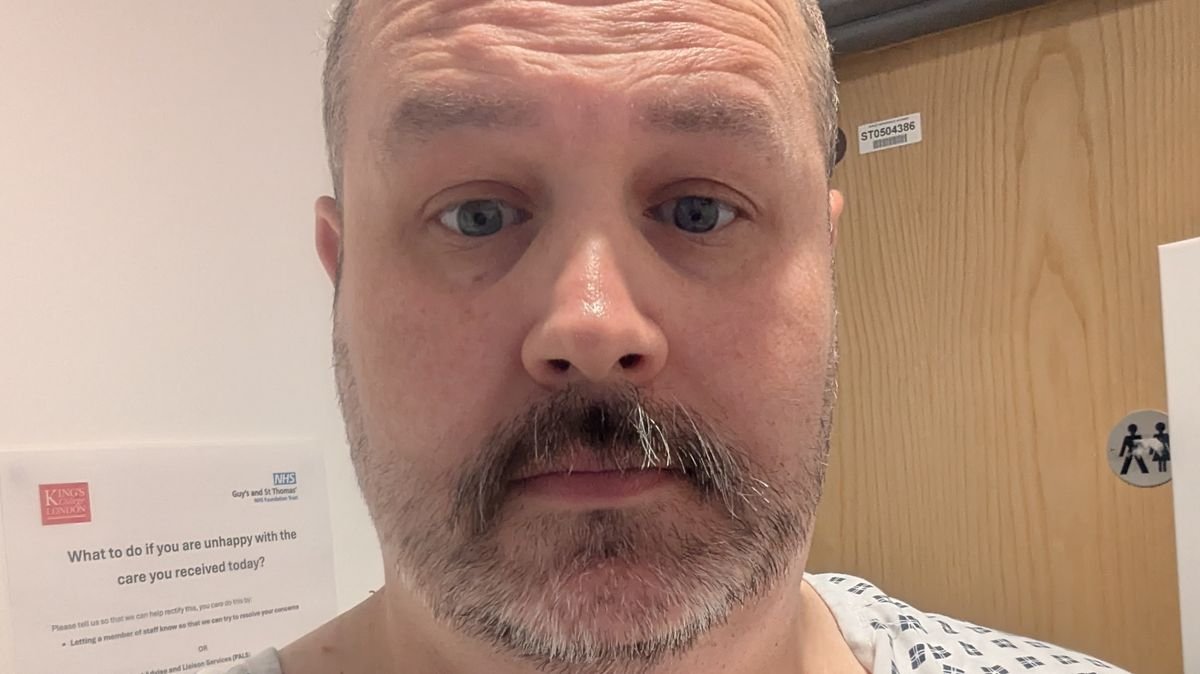

A London chef, Mat Kelly, 42, diagnosed with an aggressive form of breast cancer necessitating lifelong chemotherapy, is advocating for men to conduct self-checks. While working in the U.S. on a restaurant project in Chicago last October, Mat discovered a lump in his chest. Despite currently showing no metabolic signs of cancer, ongoing treatment is crucial to keeping the disease in check. Mat emphasized the importance of early detection, urging men to seek medical attention promptly if they notice any abnormalities.
Before his diagnosis, Mat, a self-described workaholic in good health, was unaware that men could develop breast cancer, believing it predominantly affected older males. The cause of male breast cancer remains unclear, with most cases affecting men over 60, as per NHS information.
Following the discovery of a lump in his chest tissue, Mat sought medical help upon noticing additional concerning symptoms, such as nipple inversion. After consultations and tests at various hospitals, he received a breast cancer diagnosis in December. Subsequent scans revealed the cancer had advanced to stage 4, with metastases in his chest, armpit, and spine.
Despite undergoing aggressive chemotherapy treatments, Mat’s condition worsened, leading to the spread of cancer to multiple areas, including his spine, pelvis, and ribs. Facing setbacks and challenging side effects, Mat explored targeted therapies, leading him to Enhertu, which showed promising results in reducing tumor size and halting metastases.
Despite enduring severe side effects from treatment, including neuropathy and gastrointestinal issues, Mat’s tumors began to shrink after several rounds of Enhertu. Recent scans indicated no metabolic signs of cancer in his body, offering hope for a positive outcome. Mat plans to continue treatment while focusing on enjoying life with his fiancée, Rachel, and cherishing the simple joys.
Expressing gratitude for the support from family, friends, and the Men’s VMU support group for men with breast cancer, Mat encourages men to stay proactive about their health, advocate for themselves, and seek available treatments. He emphasizes the importance of raising awareness about male breast cancer and dispelling myths surrounding the disease.
Medical professionals, including Ross McLean, highlighted the importance of early diagnosis and proactive involvement in support groups like Men’s VMU. Mat’s journey serves as a reminder of the significance of timely medical intervention and emotional support in battling cancer.
For more information on the Men’s VMU, visit www.themensvmu.org.